Improving ESG Compliance: The Way Data Center Services Support Green Business Methods
Advancing sustainability standards in infrastructure management is increasingly vital in today's business landscape. Since businesses grapple with intensifying compliance obligations, the part of data centers in fostering sustainable practices becomes indispensable. Different tools, such as advanced cooling systems and renewable energy sources, are instrumental in this overhaul. Nonetheless, obstacles exist in fulfilling these aims. Understanding these nuances is paramount for any body pursuing to dominate in the sustainable digital economy.
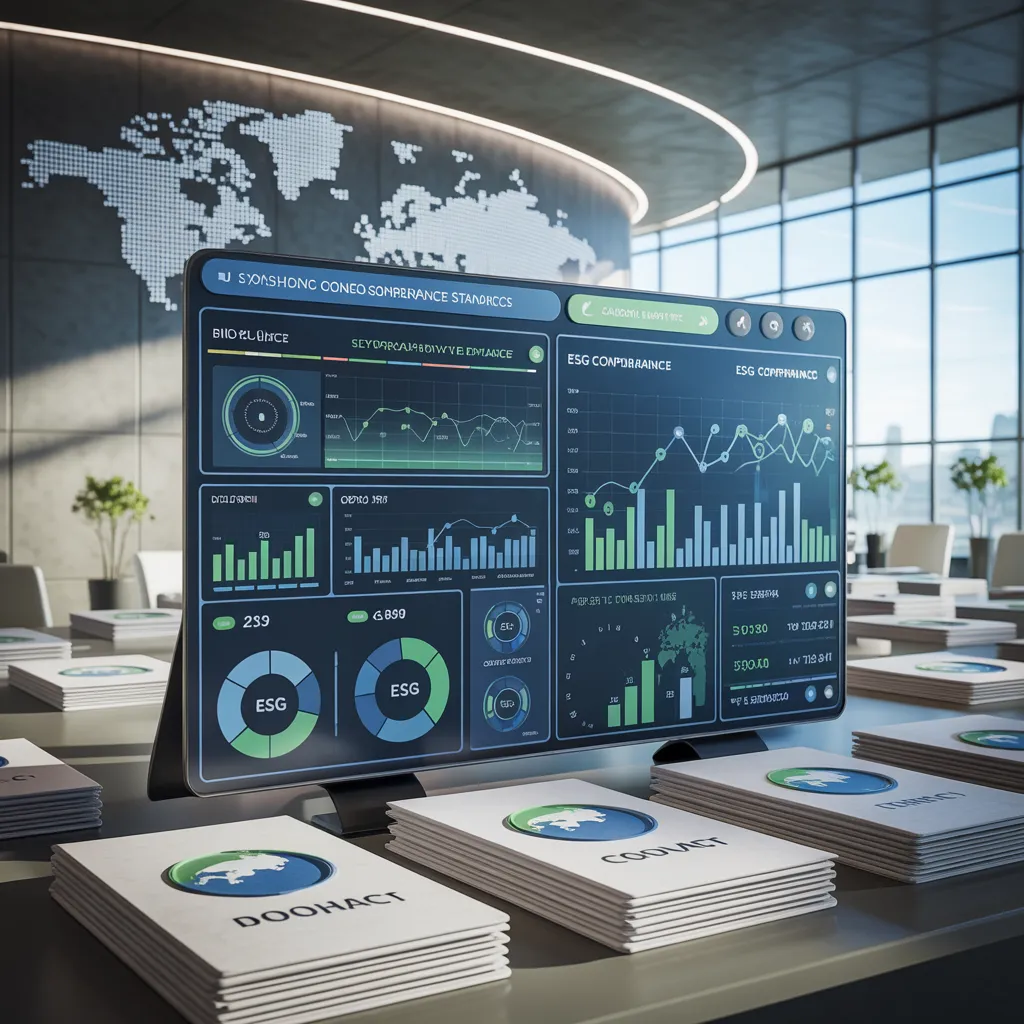
Why ESG Compliance Matters for Data Centers
As companies increasingly prioritize sustainability, understanding the significance of ESG compliance for data centers becomes essential. ESG, which stands for Environmental, Social, and Governance, acts as a model to assess how companies address challenges and possibilities related to sustainability. For data centers, compliance with ESG standards is essential, as these centers expend substantial energy and resources. By adhering to ESG standards, data centers can markedly reduce their carbon impact, enhance operational efficiency, and foster social responsibility.
Furthermore, ESG adherence can strengthen a data center's reputation, bringing in eco-minded clients and investors. As regulatory frameworks change, organizations face growing pressure to demonstrate accountability and transparency in their processes. Failure to comply could cause monetary sanctions and damage to reputation. In the end, integrating ESG considerations into data center processes is not simply a compliance requirement; it is a key priority for long-term sustainability and market competitiveness in a fast-moving market.
Essential Solutions Advancing Sustainable Data Center Operations
Sustainable data center operations are increasingly shaped by key technologies focused on power optimization and renewable energy integration. Advancements in temperature control and power management are improving power efficiency, while the implementation of solar and wind energy sources is reducing environmental impact. In combination, these improvements are creating a more environmentally responsible strategy to data center management.
Energy Efficiency Breakthroughs
A substantial transformation in data center operations is driven by energy efficiency technologies that leverage advanced technologies. These technologies comprise cutting-edge cooling systems, such as liquid cooling and immersion cooling, which greatly cut energy consumption compared to traditional methods. Additionally, the introduction of artificial intelligence and machine learning perfects resource allocation, reinforcing operational efficiency. Smart power distribution units (PDUs) supervise and administer energy use dynamically, further reducing waste. Furthermore, virtualization techniques enable better server utilization, decreasing the need for physical hardware. Together, these upgrades contribute to lower carbon footprints and operational costs, aligning data centers with conscientious business practices while meeting regulatory ESG compliance requirements. Consequently, energy efficiency technologies play an essential role in shaping the future of sustainable data center operations.
Sustainable Energy Fusion
Incorporating renewable energy sources is vital for enhancing sustainable data center operations. Data centers progressively depend on solar, wind, and geothermal energy to energize their facilities, substantially reducing carbon footprints. Technologies like energy storage systems, including lithium-ion batteries, aid in regulating energy supply and demand, maintaining operation during times of low renewable generation. Furthermore, innovative energy management software maximizes energy usage by assessing consumption patterns and adapting to real-time conditions. Many data centers are also adopting Power Purchase Agreements (PPAs) that guarantee long-term renewable energy contracts, bolstering financial stability while driving green energy advancement. By implementing these technologies, data centers not only improve their sustainability but also aid broader ESG compliance initiatives, harmonizing business operations with environmental responsibility.
Maximizing Power Performance to Minimize Environmental Impact
Improving power conservation is important for data centers looking to decrease their ecological impact. This can be realized through advanced facility planning, cutting-edge cooling technologies, and the adoption of renewable energy sources. By prioritizing these areas, data centers can boost sustainability while sustaining business efficiency.
Energy-Saving Infrastructure Architecture
Designing sustainable infrastructure stands as an essential strategy for data centers aiming to minimize their environmental footprint. By leveraging advanced materials, optimizing layouts, and integrating clean energy options, data centers can substantially decrease energy consumption. Implementing efficient lighting systems and intelligent power management systems further enhances operational efficiency. Additionally, strong energy management systems enable immediate oversight, allowing data centers to detect and correct inefficiencies promptly. The adoption of modular designs can also support scalability while maintaining energy efficiency. Ultimately, these infrastructure improvements not only bolster compliance with environmental, social, and governance (ESG) standards but also encourage long-term sustainability. Through strategic design, data centers add to a greener future while improving their overall operational effectiveness.
Cutting-edge Climate Control Technologies
Advanced heat dissipation technologies perform an critical function in improving power savings within data centers while minimizing their environmental footprint. Innovations such as liquid cooling solutions, which extract heat immediately from critical components, significantly reduce power usage compared to traditional air-based cooling. Moreover, automated cooling systems employ monitoring devices and AI algorithms to dynamically adjust cooling based on real-time demand, further optimizing energy efficiency. Implementing natural cooling methods utilizes ambient climatic conditions, enabling data centers to run smoothly without relying entirely on engine-powered cooling. By adopting these innovative cooling techniques, organizations can achieve meaningful cuts in energy use ratio, ultimately contributing to fewer carbon emissions and a more sustainable operational footprint.
Clean Energy Implementation
The incorporation of renewable energy sources into data center operations represents a significant step towards reaching environmental goals. By utilizing solar, wind, and hydroelectric power, data centers can substantially reduce their greenhouse gas emissions. These facilities are increasingly adopting power-saving technologies that enhance power usage, such as advanced power management systems and smart grid solutions. Additionally, incorporating energy storage solutions allows for improved management of renewable energy supply, guaranteeing a stable power flow even during variable conditions. This change not only reduces operational costs but also enhances compliance with Environmental, Social, and Governance (ESG) standards. Ultimately, renewable energy integration promotes a more sustainable approach to data center management, aligning business practices with broader environmental objectives.
Powerful Resource Optimization Strategies for Sustainable Data Centers
While many institutions work toward sustainability, effective resource management techniques are critical for data centers striving to minimize environmental impact. Introducing modern cooling infrastructure, such as liquid cooling or free air cooling, can markedly lower energy consumption. Moreover, adopting virtualization technologies allows for peak performance of physical servers, reducing the need for additional hardware and energy.
Frequent monitoring of energy usage via analytical examination of data helps uncover operational gaps and sectors for betterment. In addition, employing modular architectural approaches facilitates data centers to scale resources in line with actual requirements, steering clear of overprovisioning.
Implementing a robust waste recovery initiative for e-waste is essential for decreasing landfill waste. Moreover, adopting eco-friendly sourcing methods guarantees that all materials sourced meet environmental standards. Together, these approaches form an comprehensive strategy for data centers to function in a more environmentally responsible manner, ultimately advancing broader sustainability governance objectives while improving operational efficiency.
Displaying ESG Compliance Accomplishments in Data Centers
As businesses increasingly focus on sustainability, several data centers have established themselves as examples of ESG standards, introducing new methods to ecological responsibility. One significant example is a installation in Amsterdam that implements advanced refrigeration solutions, considerably lowering power needs while keeping maximum output. This installation has reached a 40% reduction in carbon footprint through the integration of renewable power resources, such as wind and solar power.
Another triumph is a data center in Singapore that emphasizes water saving by employing a closed-loop thermal system, cutting water usage by 70%. This facility also collaborates with local communities to advance green awareness and sustainable programs.
In addition, a data center in Northern Virginia has instituted stringent waste management protocols, diverting over 90% of its waste from landfills. These success stories underscore how data centers can lead the way in environmental and social responsibility, setting benchmarks for sustainable practices in the industry.
What Constraints Do Data Centers Struggle With in Securing ESG Compliance?
Achieving environmental, social, and governance compliance entails various challenges for data centers, even with the inspiring examples of success provided earlier. A major hurdle is the large energy consumption used in data center operations, which leads to substantial carbon footprints. Many centers face difficulties in implementing renewable energy alternatives because of financial restrictions or infrastructural limitations. Moreover, regulatory requirements fluctuate significantly across regions, making compliance a intricate, fragmented process that necessitates constant monitoring and adaptation.
A further complication pertains to the integration of environmentally responsible approaches visit now within ongoing business activities. Data centers regularly encounter difficulties in updating aged facilities to meet the standards of modern ESG requirements. Moreover, the changing essence of technology requires steady investment in upgrades, which can stress budgets. Additionally, staff education and cognizance regarding ESG principles are critical yet often neglected, further impeding progress toward sustainability goals. These obstacles demonstrate the need for strategic foresight and innovation in data center operations to obtain meaningful ESG compliance.
Emerging Developments in Data Center Environmental Responsibility and ESG Requirements
Emerging patterns in data center sustainability and ESG compliance are poised to overhaul the industry landscape markedly. The increasing adoption of alternative energy sources, such as solar and wind, is a central concern, as data centers work to minimize their emissions profile. Additionally, the merging of state-of-the-art cooling systems, including liquid cooling and free-air cooling, is gaining traction to strengthen energy efficiency.
In addition, the advancement of artificial intelligence and machine learning in resource management enables data centers to optimize operations, curtailing waste and optimizing energy consumption. Regulatory standards are also maturing, motivating organizations to execute more exacting ESG standards.
As parties demand greater transparency, data centers will increasingly adopt blockchain technology to ensure traceability in their green initiatives. In total, these patterns will not only advance compliance but also foster innovation, positioning data centers as leaders in the movement to a more responsible digital economy.
Frequently Common Questions
Compact Data Centers: By What Methods to Improve ESG Regulatory Initiatives?
Small data centers can strengthen ESG compliance by implementing energy-efficient technologies, executing waste control plans, optimizing resource usage, and performing forthright reporting. Collaboration with key parties further solidifies their commitment to green company operations and transparency.
What Value Do Involved Parties Carry in Data Center ESG Efforts?
Stakeholders serve as key contributors in data center ESG initiatives by providing insights, resources, and accountability. Their engagement fosters collaboration, ensuring that environmental objectives align with operational practices and community expectations, ultimately enhancing overall compliance and effectiveness.
Are There Certifications for Data Centers Emphasizing ESG Adherence?
Yes, numerous certifications exist for data centers highlighting ESG compliance, such as ISO 14001 for environmental management and LEED for energy conservation. These certifications help guarantee that operations meet environmental benchmarks and stakeholder expectations.
How Does ESG Compliance Influence Data Center Expenses and Pricing?
ESG compliance can increase data center costs due to investments in sustainable technologies and procedures. However, it may also lead to extended cost reductions and improved pricing strategies by attracting environmentally conscious clients and strengthening company reputation.
What Are Widespread Misunderstandings About ESG in Data Center Operations?
Widespread false assumptions about ESG in data centers include the belief that meeting standards is primarily a cost, that it has no bearing on operational performance, and that it is limited to major businesses, ignoring smaller organizations' obligations.